Gathering Note
2017, composition for voices, public art performance, approx. 45 minutes
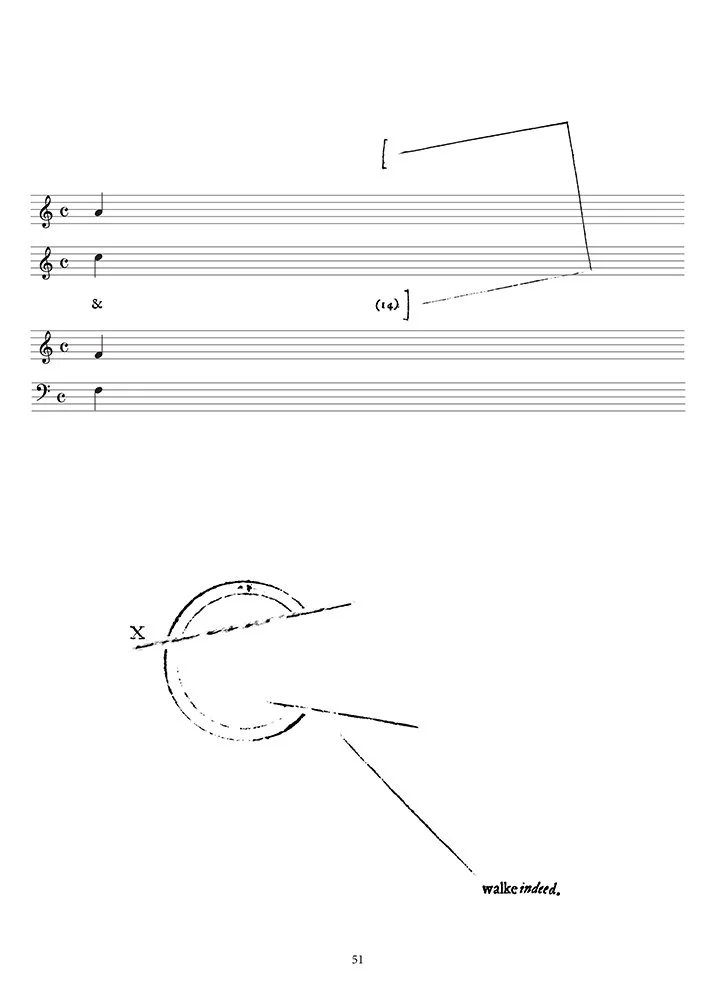
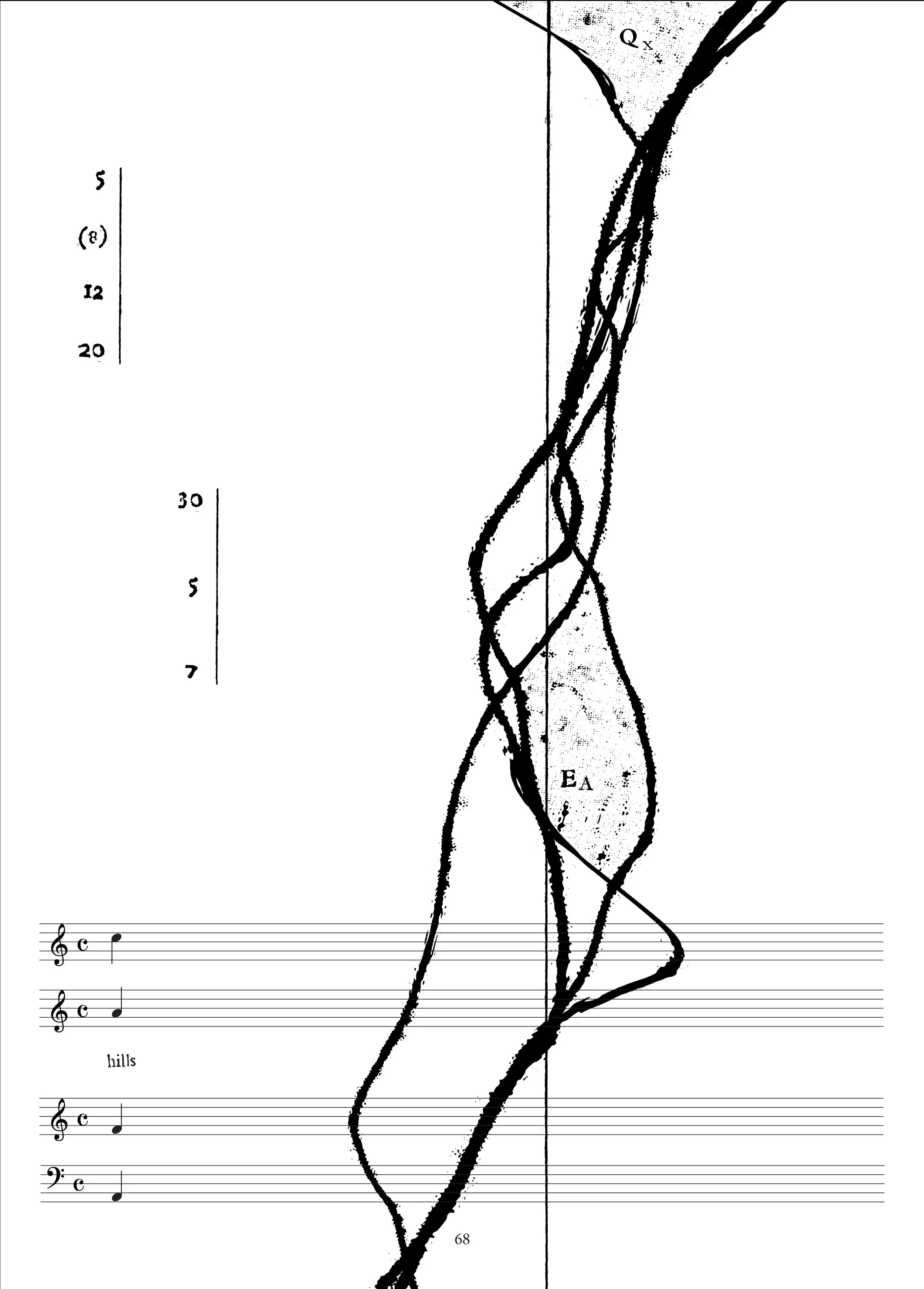
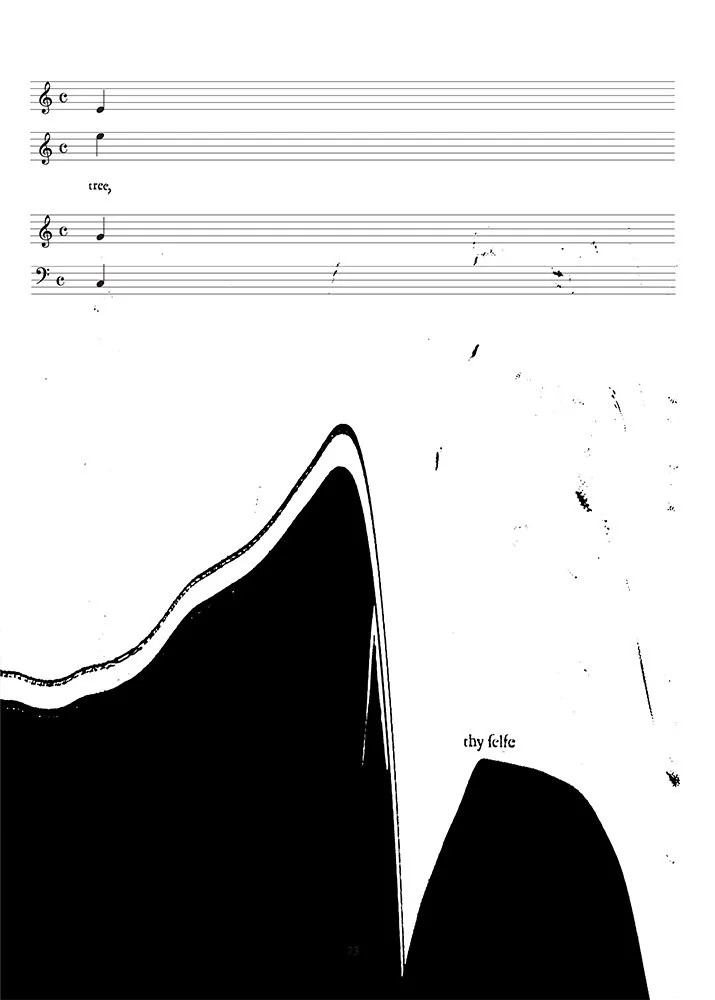
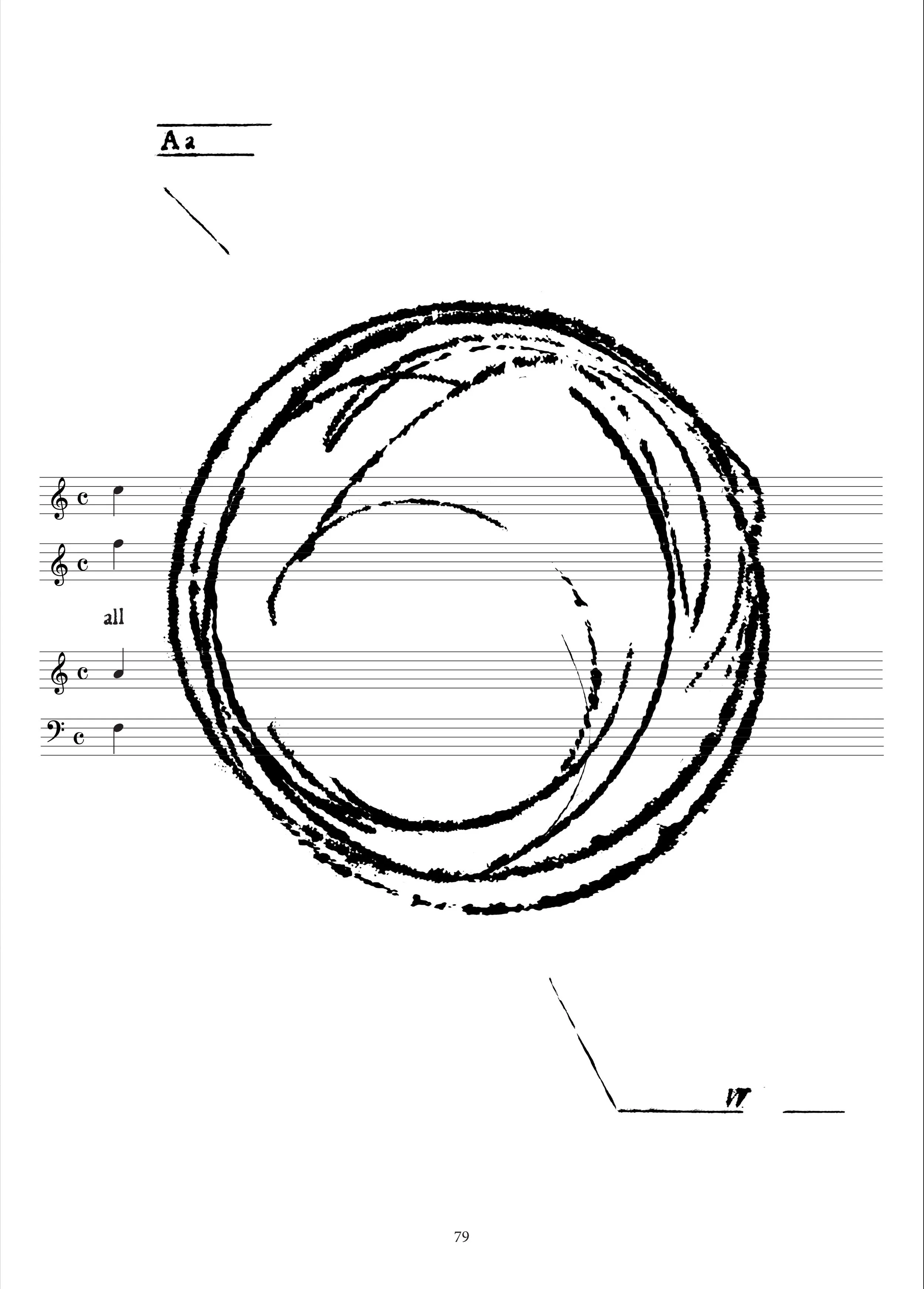
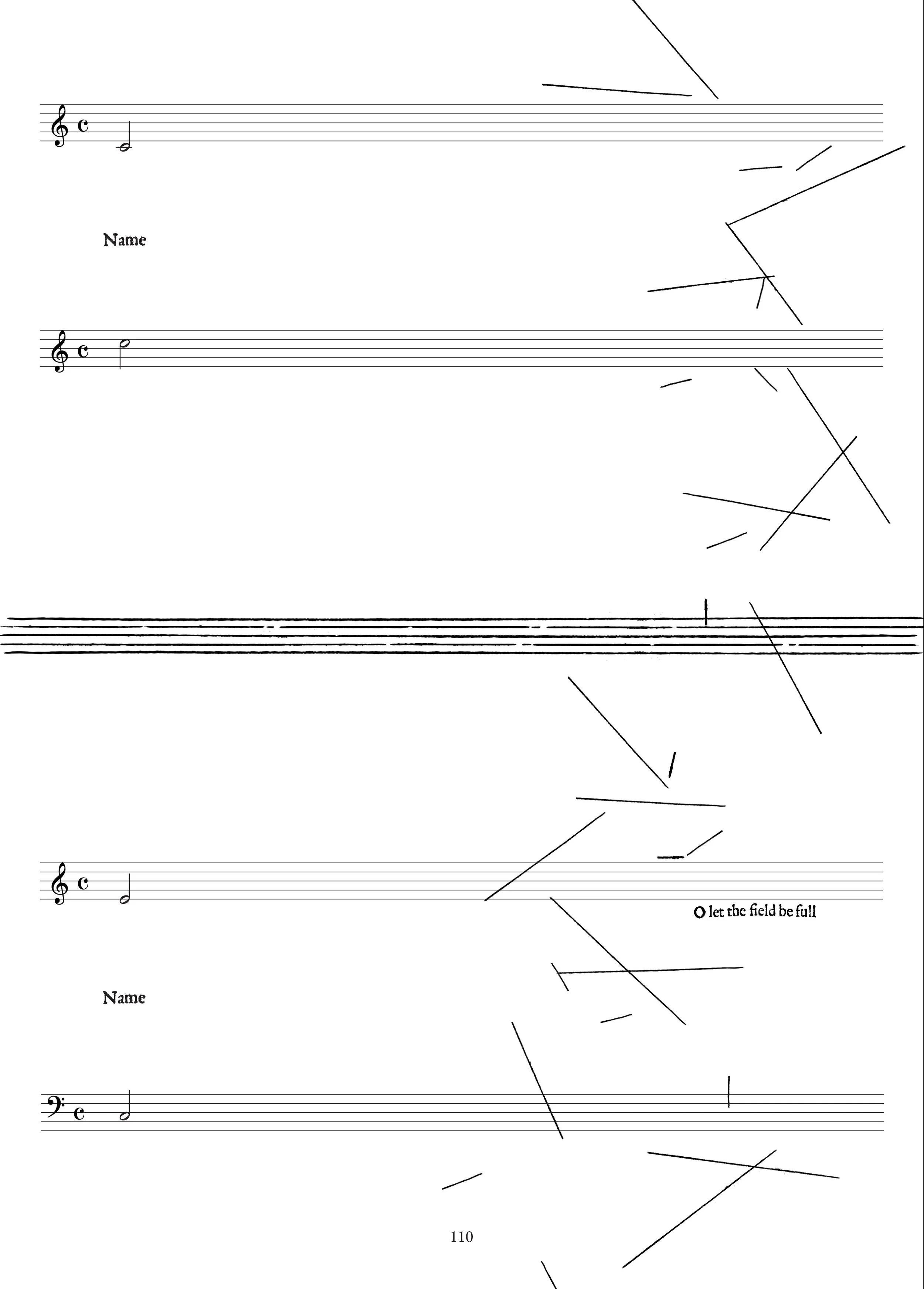
In 1640, the Bay Psalm Book was printed in Cambridge, MA, the first book to be published in British North America. Gathering Note is a public art performance work that uses the Bay Book as a source in creating a graphical score for choirs and other community voices. The score provides an intentionally open set of cues that allow the shape of the work to emerge from a balance between instructions and each performer’s independent choices, guided by their attention to their surroundings. Gathering Note celebrates a very American sense of unity in diversity: how disparate voices become cohesive wholes through communication and negotiation, growing organically from disparate approaches and an ambivalence to hierarchical structures. The score disassembles a touchstone in the history of American colonialism, reappropriating its marks toward a new graphical language of collective sovereignty and speculative becoming.
Curated by Dina Deitsch and commissioned by the Cambridge Arts Council for the public art series Common Exchange.
The Bay Psalm Book is a metrical translation of psalms from the Christian bible, intended to be set to a range of common tunes and sung as hymns. As a musical guide the book left a great deal open to interpretation by individual congregations, including the tune and pace for any verse. And so by 1700 there was wide variation in the singing of these hymns. Most Puritan congregations in New England learned and sang their songs together through an oral tradition known as “lining out” in which a deacon would set the pitch of the song by singing a “gathering note” and a line which the congregation followed. Over time this had the effect of transforming the shape of the songs (slowing the meter to a crawl, producing a wide variation in pitch and quality of voice) to such an extent that a reform movement of singing schools was launched in the 1720’s to bring congregations back to a common standard.